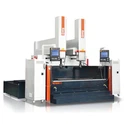
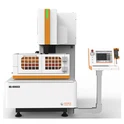
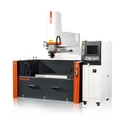
In the EDM process, a positive electrode is replaced with a negative one and vice versa. This switches the roles of the electrodes in the EDM process. When an electric current passes through your motor, it generates heat. The heat causes carbon to melt, forming an arc between the wire and electrode. The melted carbon then floats away from its original location, where it creates your groove or whatever shape you're trying to create in metal.
EDM cutting fluid, or dielectric fluid, serves several purposes during the process. It cools the workpiece to prevent thermal shock as it passes through the cutting zone. The dielectric fluid also cleans the surface of your workpiece, removing any dirt or debris on it.
If you were to look closely at a spark discharge between two wires, it would appear like they were burning off excess material from one wire onto another. If no dielectric fluid were present, this would happen immediately and cause damage to both wires (and possibly even damage to your machine). The dielectric fluid prevents this from creating an insulating barrier between the two wires until enough buildup has occurred for current flow through them to happen again.
Because the cutting wire never makes contact with the workpiece throughout the EDM process, no stresses are added to the component. As a result, less stress may be used for creating slots, grooves, and eyelets in machined items using EDM.
The coolant also lubricates both wires to move smoothly past each other without getting stuck together or overheating due to friction caused by poor lubrication.
EDM's superior finish is one of its additional advantages. With tight tolerances, the wire cutting process produces surfaces that are burr-free and smooth. In fact, wire EDM can be used to create through-slots and very thin eyelets for medical devices-features that are inaccessible to traditional centers.